

Rising Demand for Dual-Texture Bristles Shapes the Future of the Cosmetic Brush Market
Rising Demand for Dual-Texture Bristles Shapes the Future of the Cosmetic Brush Market
The global cosmetic brush market is experiencing a significant transformation, with dual-texture bristles emerging as a defining trend reshaping consumer preferences and industry innovation. As beauty enthusiasts and professionals alike seek tools that deliver precision, versatility, and a superior application experience, dual-texture bristle technology has quickly moved from a niche offering to a mainstream demand driver, setting new standards for product development and market growth.
Dual-texture bristles, characterized by the strategic combination of two distinct fiber types within a single brush head, address longstanding consumer pain points. Traditional cosmetic brushes often prioritize either softness (for comfort) or density (for product pickup), forcing users to compromise. In contrast, dual-texture designs merge, for example, ultra-soft synthetic fibers (to glide smoothly over skin) with firmer, more resilient filaments (to grip and distribute pigments evenly). This hybrid structure enhances performance: it ensures seamless blending of liquid foundations, precise placement of powders, and reduced fallout—qualities that have made dual-texture brushes a staple in both professional kits and everyday makeup routines.
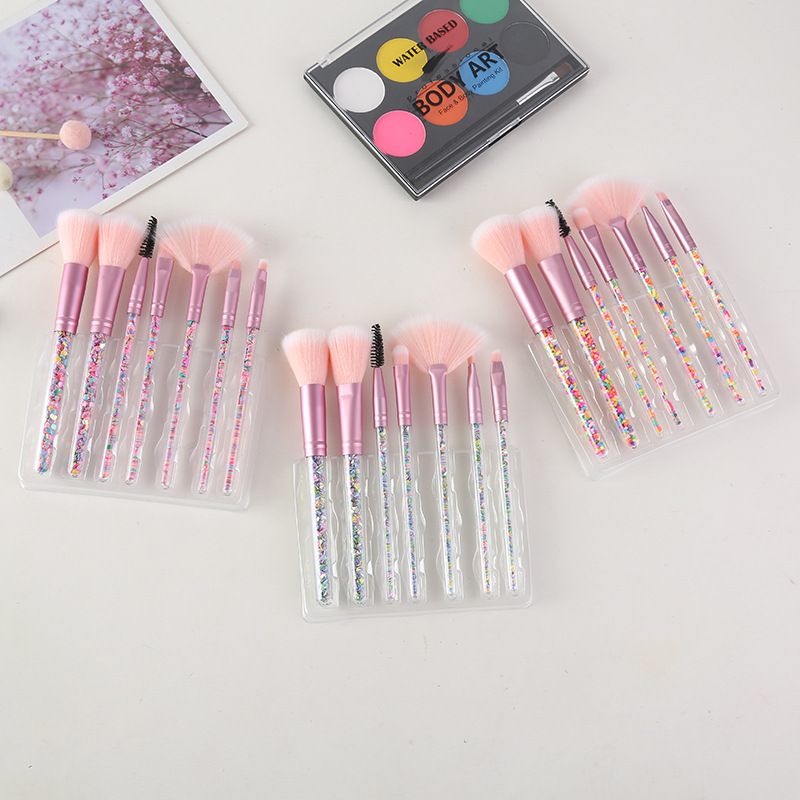
The surge in demand is fueled by shifting consumer expectations. Today’s beauty shoppers, particularly Gen Z and millennials, view makeup tools as an extension of their beauty regimen, not just accessories. They prioritize multifunctionality (brushes that work across products like blush, bronzer, and highlighter) and tactile体验 (softness that avoids irritation). Market research indicates that over 65% of consumers now consider bristle quality a top purchasing factor, up from 42% five years ago, with dual-texture options leading in online searches and social media mentions, driven by endorsements from beauty influencers and makeup artists.
Sustainability is another key driver. Dual-texture bristles often leverage advanced synthetic fibers, such as cruelty-free polyester or biodegradable PLA blends, paired with responsibly sourced natural fibers (e.g., ethically harvested goat hair). This combination aligns with the growing demand for eco-conscious beauty products: 73% of global consumers prefer brands that prioritize sustainability, and dual-texture brushes, by reducing reliance on single-material sourcing and enhancing durability (thus lowering replacement frequency), cater to this trend.
Technological innovation in bristle manufacturing has been critical to scaling dual-texture solutions. Modern production techniques, such as precision extrusion and heat bonding, allow manufacturers to control fiber diameter, density, and texture gradients with unprecedented accuracy. For instance, some brands now engineer brushes with a soft, fluffy outer layer for blending and a denser inner core for targeted product application—achieving results that were previously unattainable with single-texture designs. These advancements have not only improved performance but also reduced production costs, making dual-texture brushes accessible to mid-range brands, further expanding market reach.
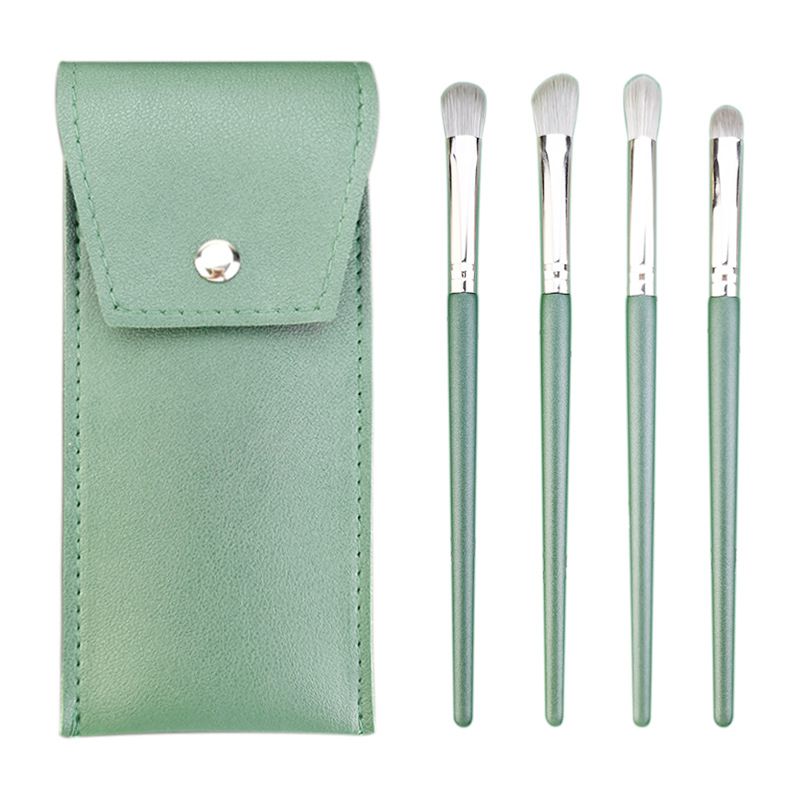
The impact on the cosmetic brush market is already tangible. Leading brands report double-digit growth in dual-texture product lines, with premium segments seeing 30% year-over-year sales increases. Smaller manufacturers are also investing in R&D to develop unique dual-texture formulations, creating a competitive landscape focused on innovation. Market analysts project that the dual-texture bristle segment will account for over 40% of global cosmetic brush revenue by 2028, up from 22% in 2023, driven by sustained consumer demand and ongoing technological refinements.
Looking ahead, the future of dual-texture bristles lies in customization and personalization. Brands are exploring AI-driven tools to analyze individual skin types (e.g., dry, oily, sensitive) and recommend tailored bristle combinations—such as softer fibers for sensitive skin or firmer textures for long-wearing formulas. Additionally, advancements in biodegradable materials and 3D printing may enable even more precise bristle engineering, opening new possibilities for texture variation and product differentiation.
In conclusion, dual-texture bristles are not just a passing trend but a pivotal innovation redefining the cosmetic brush market. By addressing consumer demands for performance, sustainability, and versatility, they are driving industry growth and setting a new benchmark for excellence. As manufacturers continue to refine technology and expand accessibility, dual-texture brushes will remain at the forefront of beauty tool evolution, shaping the future of how we apply and experience makeup.


